Source Automatic Tapioca Pearl Making Machine for Donuts, Candy, and Bubble Tea
Find and compare 30 automatic tapioca pearl making machine options from Chinese manufacturers. Evaluate electric models with varying capacities, power ratings, and dimensions to select the right equipment for donut, candy, and beverage production lines.
Key considerations
Products List


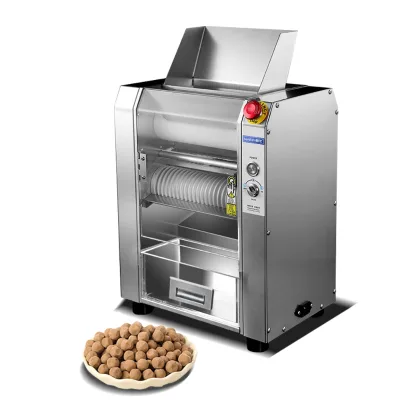
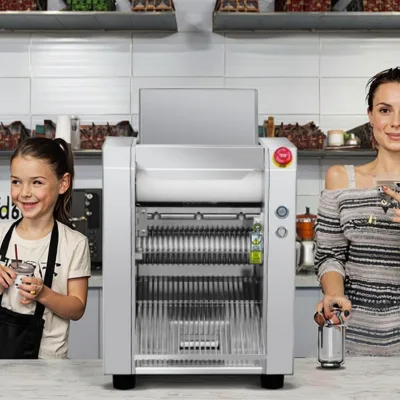


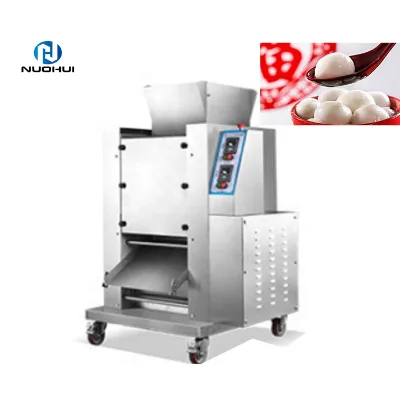
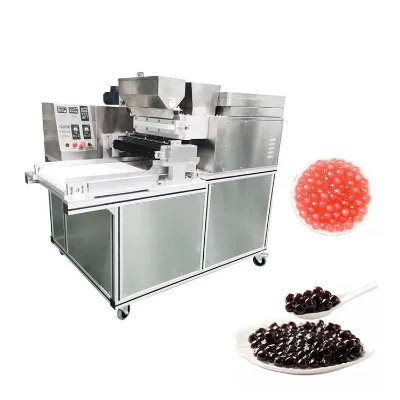




Comprehensive Sourcing Guide
Automatic Tapioca Pearl Making Machine Sourcing Guide
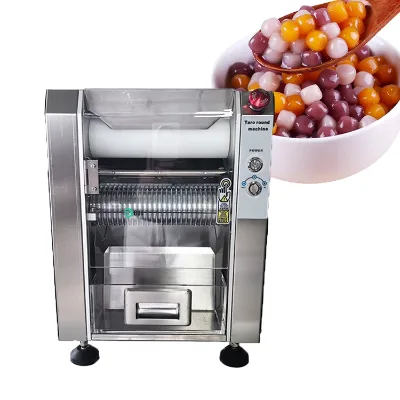
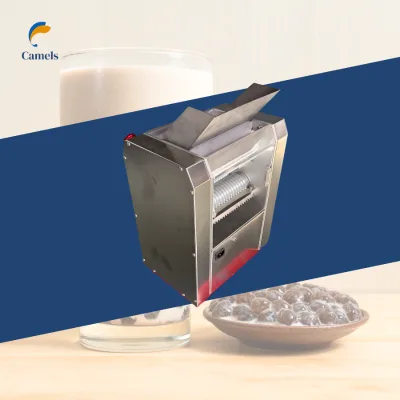
The automatic tapioca pearl making machine represents a specialized class of thermal processing equipment designed to streamline the production of starch-based confectionery items, specifically targeting donuts and tapioca pearls. These units integrate electric power sources with automated feeding and shaping mechanisms to ensure consistent output without the labor intensity of manual methods. Buyers should recognize that while the core function remains the conversion of raw starch into finished pearls, the specific engineering varies significantly between models, ranging from compact tabletop units to larger industrial lines capable of handling hundreds of kilograms per hour.
Procurement decisions for this equipment hinge on matching the machine's capacity and physical footprint to the intended production volume and facility constraints. The observed market data indicates a wide spectrum of capabilities, with some units processing as little as 15 kilograms per hour while others reach capacities exceeding 100 kilograms per hour. This variance necessitates a careful review of the specific model's rated output against the buyer's projected demand, ensuring that the selected machinery can sustain the required throughput without frequent bottlenecks or excessive downtime.
Product Scope and Observed Listing Signals
The product scope for automatic tapioca pearl making machines encompasses a variety of configurations, including models explicitly labeled for donut production and others optimized for candy or tapioca pearl manufacturing. Listings frequently highlight features such as high efficiency and ease of operation, which are critical for facilities aiming to reduce training time and minimize operator error. The presence of customization options suggests that buyers can often request modifications to the machine's dimensions or specific functional modules to align with unique production line layouts or specific product recipes.
Observed listing signals reveal a diverse range of power requirements and physical dimensions, indicating that the equipment is not monolithic in design. Power ratings in the market data span from low-consumption units around 54 watts to more robust industrial models rated at 0.55 kilowatts or higher, reflecting differences in motor size and processing intensity. Similarly, dimensions vary from compact units measuring approximately 22 by 33 by 43 centimeters to larger industrial frames exceeding 1.3 meters in length, requiring buyers to verify that the machine will physically fit within their designated workspace before finalizing a purchase.
Technical Specifications to Verify
When evaluating technical specifications, the primary focus must be on the machine's capacity and power consumption to ensure alignment with production goals. Buyers should verify the exact hourly output, as observed data shows capacities ranging from 30 kilograms per hour to over 100 kilograms per hour depending on the model. It is essential to confirm whether the stated capacity applies to the specific type of pearl or donut being produced, as starch density and processing time can significantly alter the actual throughput of the equipment.
Dimensional and weight constraints are equally critical for logistics and installation planning. The market data indicates that machines can weigh anywhere from 17.7 kilograms to 220 kilograms, with corresponding dimensions that dictate the required floor space and structural support. Buyers must cross-reference the listed dimensions, such as 470 by 430 by 670 millimeters or 1350 by 900 by 850 millimeters, against their facility's available space to ensure proper installation. Additionally, verifying the material composition, such as the use of Stainless Steel 304, is vital for ensuring the equipment meets hygiene standards required for food processing applications.
Compliance and Safety Documentation
Compliance and safety documentation for food processing machinery often includes certifications that verify the equipment meets international safety and quality standards. The observed listings frequently reference CE certification, which indicates conformity with health, safety, and environmental protection standards for products sold within the European Economic Area. Buyers should request current certification documents to confirm that the specific model they are purchasing has undergone the necessary testing and holds valid certification status, rather than relying on general claims found in marketing materials.
Beyond electrical safety, documentation regarding the machinery's construction and operational safety is essential for risk management. Some listings mention the provision of machinery test reports, which provide independent verification of the equipment's performance and safety features prior to shipment. It is prudent for buyers to ensure that these reports are included in the delivery package and that they cover the specific model and serial number being purchased. Furthermore, verifying that the machine's design adheres to relevant food safety standards, such as those implied by the use of stainless steel components, helps mitigate the risk of contamination during the thermal processing of starch-based products.
Cost Drivers and Commercial Terms
The cost of an automatic tapioca pearl making machine is driven by several factors, including the machine's capacity, power rating, and the complexity of its automation features. The observed price range in the market spans from approximately 850 to 8000 USD, reflecting the significant difference between small-scale, low-power units and high-capacity industrial systems. Buyers should understand that higher prices often correlate with increased production capacity, more durable materials, and advanced features such as enhanced customization options or integrated safety systems.
Commercial terms regarding packaging and shipping are also critical components of the total cost of ownership. Listings indicate that machines are typically packed in wooden cases or export-grade wooden crates to protect them during transit, though some smaller units may be shipped in standard cartons. The weight of the machine, which can range from 17.7 kilograms to 220 kilograms, directly impacts shipping costs and handling requirements. Buyers should clarify whether the quoted price includes export packaging and if the supplier offers assistance with logistics, as the heavy nature of some models may require specialized freight arrangements.
Supplier Qualification and Quality Control
Supplier qualification for this category of equipment requires a thorough assessment of the manufacturer's production capabilities and quality control processes. The market data suggests that suppliers are often located in regions such as Henan and Guangdong in China, which are known hubs for food machinery manufacturing. Buyers should verify the supplier's ability to provide a machinery test report and confirm that the equipment is supplied in new condition, as this ensures that the machine has not been refurbished or previously used in a way that could compromise its performance or lifespan.
Quality control extends beyond the initial inspection to include the supplier's warranty and after-sales support structure. A standard warranty period of one year is observed in the market, which serves as a baseline for the manufacturer's confidence in their product's durability. Buyers should explicitly confirm the scope of this warranty, including whether it covers parts, labor, and on-site service, and verify the supplier's supply ability, which is noted to be up to 1000 sets per month for some manufacturers. This capacity ensures that the supplier can meet demand and provide timely support if issues arise during the machine's operation.
Long-Term Procurement Checks
Long-term procurement checks for automatic tapioca pearl making machines involve establishing a framework for ongoing maintenance and performance monitoring. Buyers should verify the availability of spare parts and the supplier's ability to provide technical support for troubleshooting, as the continuous operation of thermal processing equipment can lead to wear and tear over time. The presence of a warranty and the supplier's reputation for providing test reports are strong indicators of a commitment to long-term product reliability and customer satisfaction.
Finally, buyers must consider the adaptability of the machine to future production needs, particularly regarding customization and scalability. The observed availability of customization options suggests that some suppliers can modify machines to accommodate new product lines or increased production volumes. However, buyers should confirm the lead times and costs associated with these modifications before committing to a purchase. Ensuring that the machine can evolve with the business's growth is essential for protecting the initial investment and maintaining operational efficiency in a dynamic market environment.
FAQs
What is the power consumption of an automatic tapioca pearl making machine?
The power consumption varies by model, typically ranging from 54W to 300W for smaller units and up to 0.55kw for larger industrial machines. This electric power source ensures efficient operation while maintaining consistent performance during the thermal processing of tapioca pearls.
Can I customize the automatic tapioca pearl making machine for my business?
Yes, customization is available for many automatic tapioca pearl making machines to suit specific production needs. Buyers can often select from customized or non-customized options, allowing for tailored dimensions and features that align with their facility layout and operational requirements.
What is the production capacity of an automatic tapioca pearl making machine?
Production capacity depends on the specific model, with outputs ranging from 15-20kg/H to 50-100kg/H. Smaller units may produce around 30kg/H, making them suitable for varied scales of operation, from small shops to larger manufacturing facilities.
What certifications do automatic tapioca pearl making machines typically have?
Many automatic tapioca pearl making machines come with CE certification, ensuring compliance with European safety standards. Some models may also reference ISO standards, providing assurance of quality and safety for international buyers looking for reliable industrial equipment.
How much does an automatic tapioca pearl making machine weigh?
The weight varies significantly based on the machine's size and capacity. Smaller units may weigh around 17.7kg to 32kg, while larger industrial models can weigh up to 220kg. This weight difference reflects the robust construction needed for high-efficiency operation.
What is the typical packaging for an automatic tapioca pearl making machine?
Automatic tapioca pearl making machines are typically packed in export wooden cases or standard wooden packaging to ensure safe transit. Some smaller units may be packed in cartons. This protective packaging helps prevent damage during shipping from origins like China.